Halloween Horror #6: Bride of Frankenstein

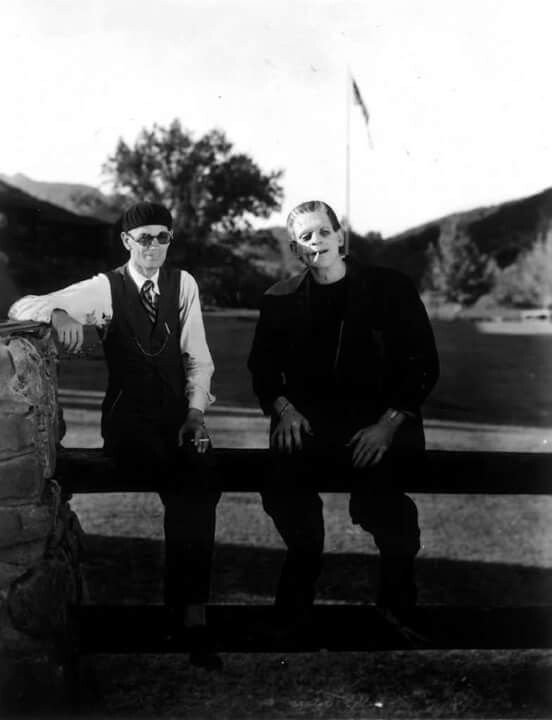
What can be said that has not already been said about James Whale’s masterpiece, Bride of Frankenstein (Universal, 1935)? Anyone likely to want to see it surely already has. So I will go light on the summary here, and focus more on the fascinating people involved in the production. Hopefully, this will provide the reader with a handful of tidbits to drop into conversation to impress friends with what a horror movie bore you are.

At the end of Frankenstein (Universal, 1931), the Monster had been assumed dead in the fire at the windmill. (In the original ending, Henry also died when thrown from the windmill by the Monster. However, Universal decided they wanted a more upbeat ending and added a coda where Henry is being nursed back to health).

Surprise! The Monster is discovered alive, kills a couple of incidental villagers, visits a blind hermit, and more mayhem ensues.

Henry is visited by his old mentor, Dr. Pretorius, played in gloriously camp style by Ernest Thesiger. Henry is trying to stay out of the Monster game, but Pretorius, who has created a few homunculi (small human type things) is itching to enlist Henry to create a spouse for the Monster. Henry says no but Pretorius, by now with Monster in tow on the promise of setting him up with a date, has the Monster kidnap Elizabeth (Henry’s wife), and Pretorius uses her as a hostage to compel Henry to comply.

Continue reading
Halloween Horror #6: Bride of Frankenstein

What can be said that has not already been said about James Whale’s masterpiece, Bride of Frankenstein (Universal, 1935)? Anyone likely to want to see it surely already has. So I will go light on the summary here, and focus more on the fascinating people involved in the production. Hopefully, this will provide the reader with a handful of tidbits to drop into conversation to impress friends with what a horror movie bore you are.

At the end of Frankenstein (Universal, 1931), the Monster had been assumed dead in the fire at the windmill. (In the original ending, Henry also died when thrown from the windmill by the Monster. However, Universal decided they wanted a more upbeat ending and added a coda where Henry is being nursed back to health).

Surprise! The Monster is discovered alive, kills a couple of incidental villagers, visits a blind hermit, and more mayhem ensues.

Henry is visited by his old mentor, Dr. Pretorius, played in gloriously camp style by Ernest Thesiger. Henry is trying to stay out of the Monster game, but Pretorius, who has created a few homunculi (small human type things) is itching to enlist Henry to create a spouse for the Monster. Henry says no but Pretorius, by now with Monster in tow on the promise of setting him up with a date, has the Monster kidnap Elizabeth (Henry’s wife), and Pretorius uses her as a hostage to compel Henry to comply.

Continue reading
Halloween Horror #5: Godzilla vs. Mechagodzilla

Ok, I know it’s not Halloween anymore. But these things take time.

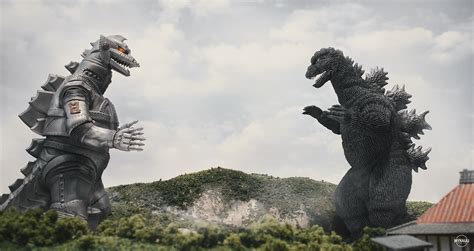
This epic can more properly be described as a Monster Movie, or kaiju film as they call it in Japan, rather than a horror movie. It is a sort of mashup of kaiju, Planet of the Apes, and kung fu, with a three-minute serenade to a monster.

Everyone knows who Godzilla is. But Mechagodzilla? He is, of course, “a robot designed by aliens to conquer Earth, [an] enduringly popular villain”, as The Criterion Collection folks describe him in the notes accompanying their release of the film.

Now all you cineastes can feel relieved. I mean, if the freaking Criterion Collection has gone to the trouble of “curating” this multi-monster fight-fest, then there’s no need to hide your adoration of it from your Truffaut-loving friends.

Here’s the real guy and the pretender facing off:

Godzilla vs. Mechagodzilla is the 14th Godzilla film (out of 38) and was the penultimate film of the Shōwa era, named after the historical era associated with the reign of Emperor Hirohito. All Japanese monster movies (kaiju eiga) are grouped into four eras, of which Shōwa is the first.

Continue reading

Halloween Horror #4: The Mummy

Hammer’s The Mummy (1959) features the same writer/director team (Jimmy Sangster and Terence Fisher) and male stars (Christopher Lee and Peter Cushing) as Hammer’s Dracula; and evokes with its title another Universal classic, The Mummy (1932), starring Boris Karloff. Its plot, as with Hammer’s Dracula, strays a good bit from the Universal version, in this case being more related to later Universal efforts in the 1940s, The Mummy’s Hand and The Mummy’s Tomb.

In both the original Universal and the Hammer versions, the central character is a high priest of an Egyptian cult 4000 years in the past, Imhotep in the Universal version and Kharis in the Hammer version, who has been mummified alive and made to stand guard over a dead Princess, whom he loved and attempted to bring back to life, thus violating a cultish taboo.

Continue reading

Halloween Horror Films #3: Horror of Dracula

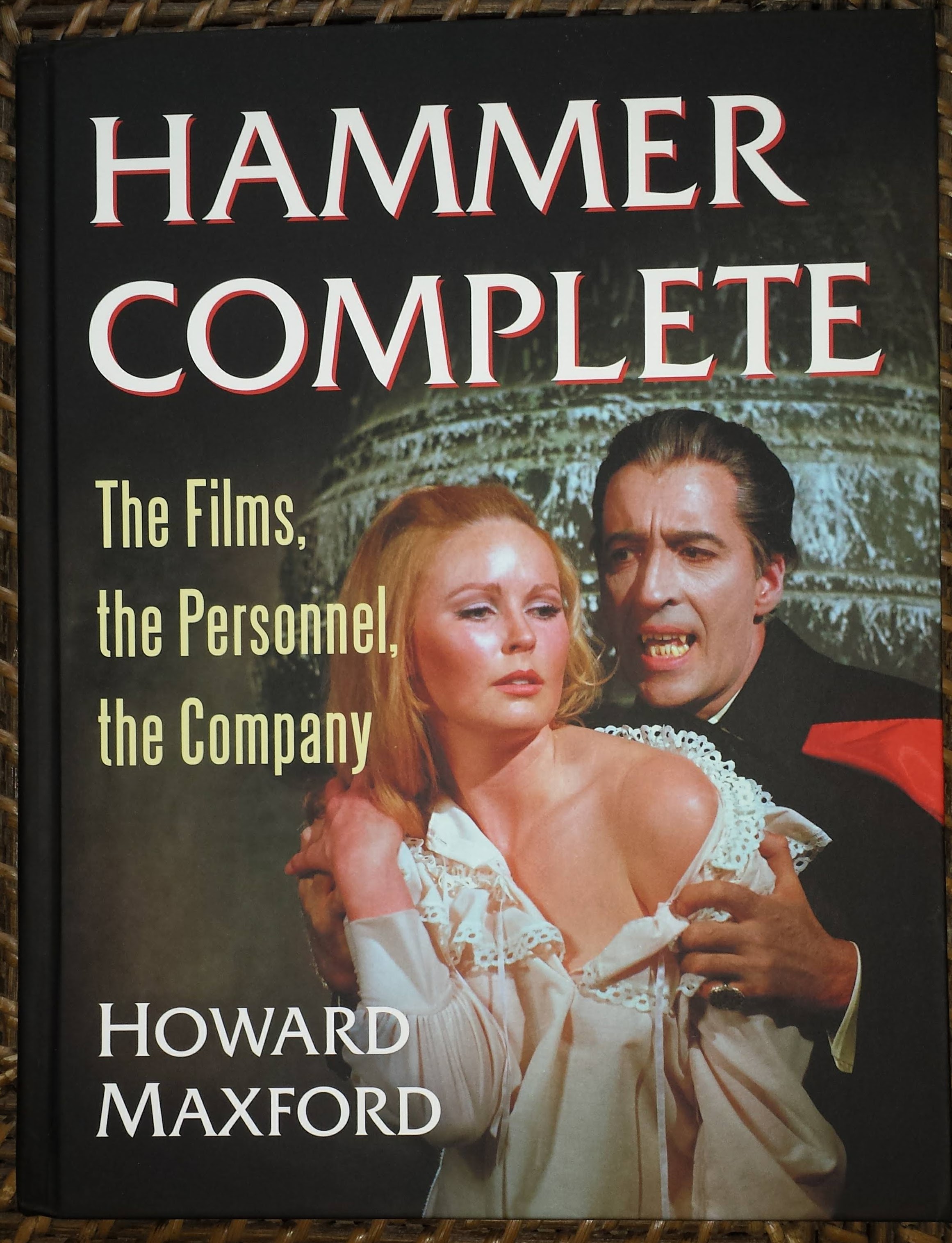
Hammer Films. Let’s start there. Last summer a very film-literate friend observed my copy of Hammer Complete : The Films, the Personnel, the Company and ventured that perhaps it had something to do with the crime novels featuring Mike Hammer. Presumably, only the side binding was observed, as one would think the frontispiece would give the game away.

This made me mourn the state of our educational system. I will do my small part to remediate this failing.

Without getting into a potted history of Hammer Films, here is the short version for Horror neophytes. The first great era of horror films came out of Universal Studios in the 1930s, largely through the work of the producer Junior Laemmle, and included the black-and-white films featuring Frankenstein, Dracula, The Mummy, The Invisible Man etc, with its most famous stars being Boris Karloff and Bela Lugosi.

Continue reading

Halloween Horror Films #2: Curse of the Demon

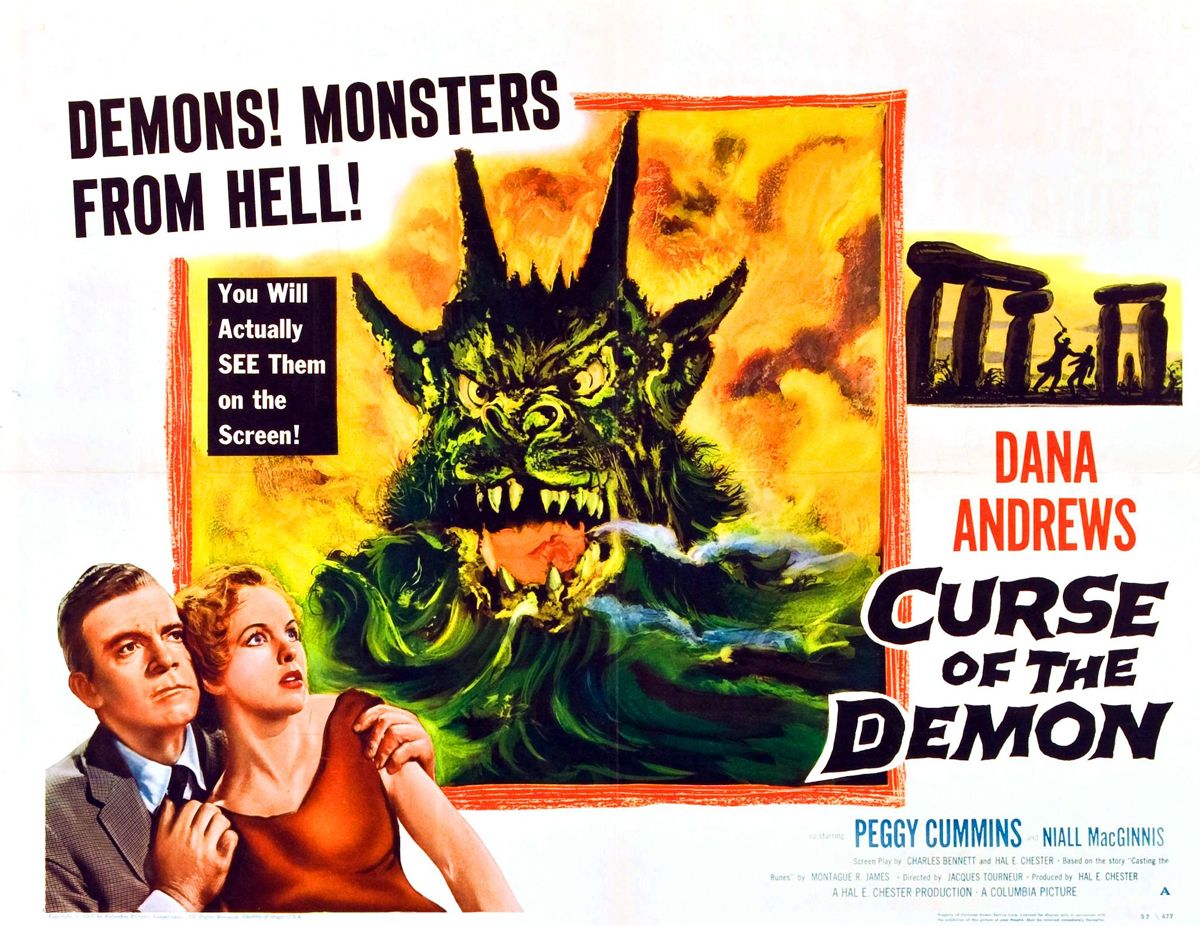
Whereas Eye of the Devil (see earlier post) was what Frank Sweeney referred to as “folk horror”, invoking The Wicker Man as the film that established this genre retrospectively, Curse of the Demon is in the “witchcraft/devil worship in modern times” genre. Modern meaning 1957, which in demonological terms is like yesterday.

Like Eye of the Devil, this is on the high end of such productions, with a cast including Dana Andrews and Peggy Cummins. It is based on a short story, “Casting the Runes” by the famous English writer, M.R. James, first published in 1911. Lovecraft gave high marks to James in his 1927 essay “Supernatural Horror in Literature”. James was a medieval scholar at Cambridge and Eton but is more famous for his ghost stories, which often reflected his antiquarian interests, as this tale certainly does.

Here is the opening of Wikpedia’s plot summary:

“In England, Professor Harrington begs his rival, Dr. Julian Karswell, to rescind a curse he inflicted on him; in return, Harrington will cease his investigation into Karswell’s Satanic cult. After learning that a parchment he gave Harrington has been destroyed, Karswell promises to do what he can. As Harrington arrives home, he perceives a gigantic demon in the trees. Harrington tries to escape in his car but crashes into power lines. The authorities declare electrocution as the cause of death.”

Continue reading

Halloween Horror Films #1: Eye of the Devil

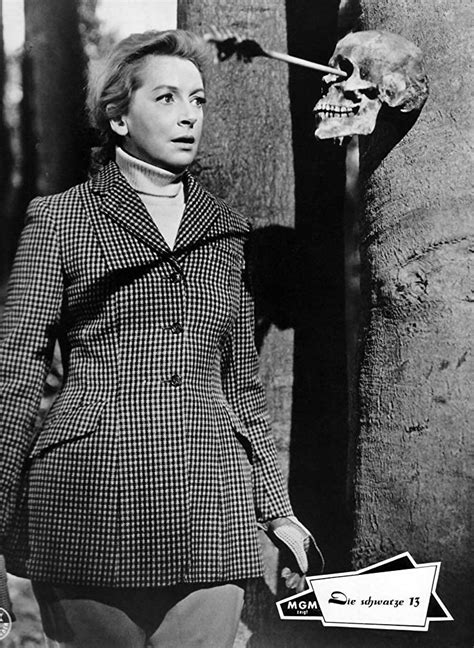
October is one hell of a month for horror movie fans, thanks largely, in the US anyway, to TCM, which brings it strong.

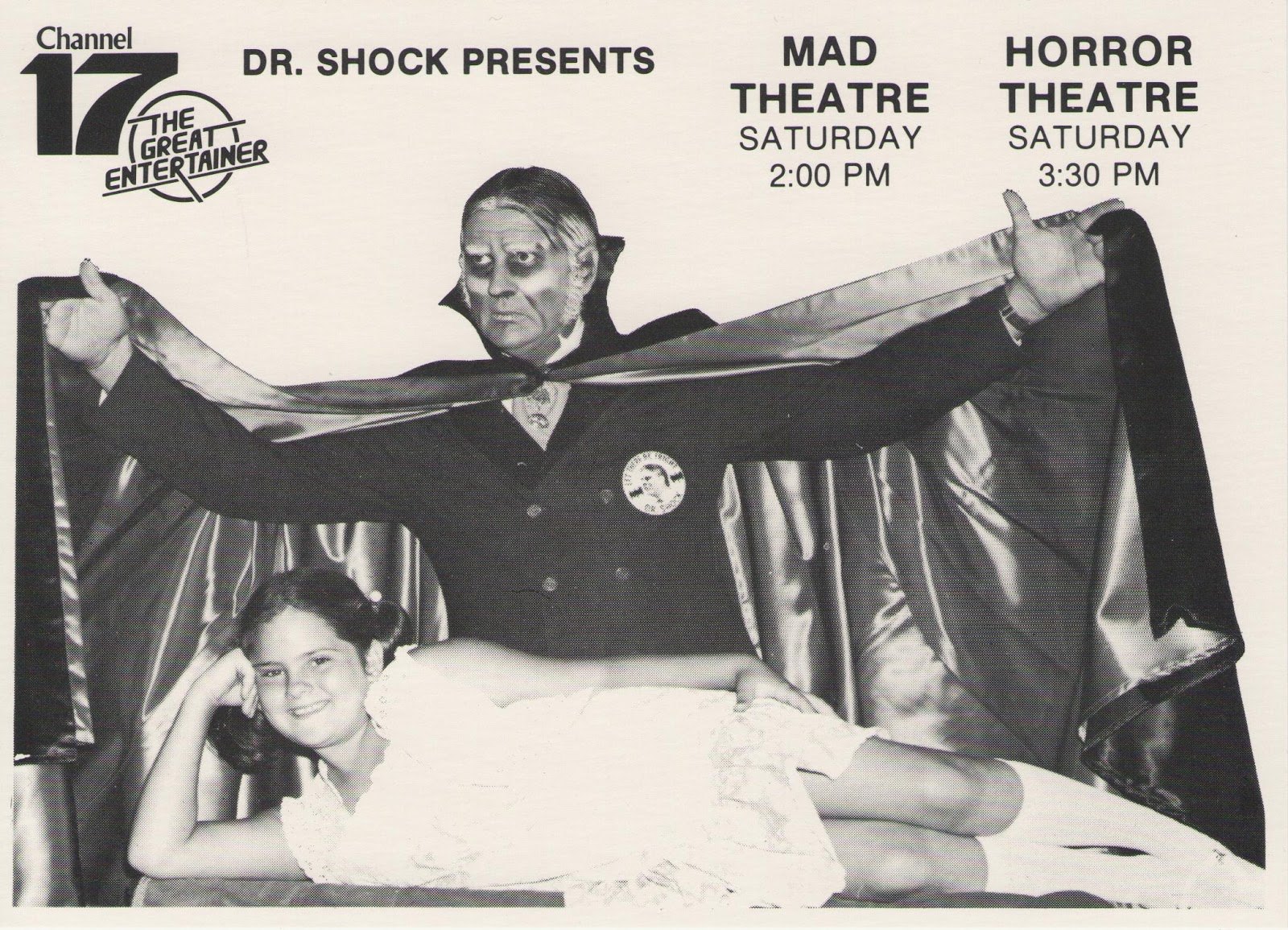
My personal taste in horror is influenced by what I watched growing up, which was largely courtesy of UHF television and Dr. Shock, a faux vampire host modeled on John Zacherle’s Roland (himself a famous ghoul who appeared on TV in Philly and New York in the 50’s and 60’s).

Dr. Shock’s broadcasts were heavy on the Universal and Hammer canon along with other varieties of schlock horror from such eminent sources as Roger Corman, particularly his work for AIP (all those Poe movies).

Continue reading