
It’s been two Xmas’s since I was gifted this tome which has rarely left the office reading table.
Mind Over Matter: The Myths and Mysteries of Detroit’s Fortune Records by Billy Miller and Michael Hurtt is a sprawling 500+ page, hardbound, well-illustrated history of legendary Fortune Records.
I’m only going to say this once: if you are a fan of Detroit music and its history – buy this book.
James Marshall, in his review on pleasekillme.com, enthuses about ” . . . the incredible body of knowledge, both historical, and mythological, found in this 552-page hardcover treatise on everything great to be found in postwar American popular culture. [The book] is the Rosetta Stone of rock’n’roll, and the greatest and most important book on popular music to be published in this century…maybe ever.”
Well, why not?
Fans of R&B/soul tend to get excited about Fortune Records. Their first big R&B hit was “Village of Love” by Nathaniel Mayer and The Fabulous Twilights (1962). It reached the top 10 in New York, Los Angeles and Chicago, and can still be heard on oldies stations, at least in the Philadelphia area (and one hopes, in Detroit).
But at the top of the Fortune R&B catalog was Nolan Strong (often with The Diablos), pictured here:
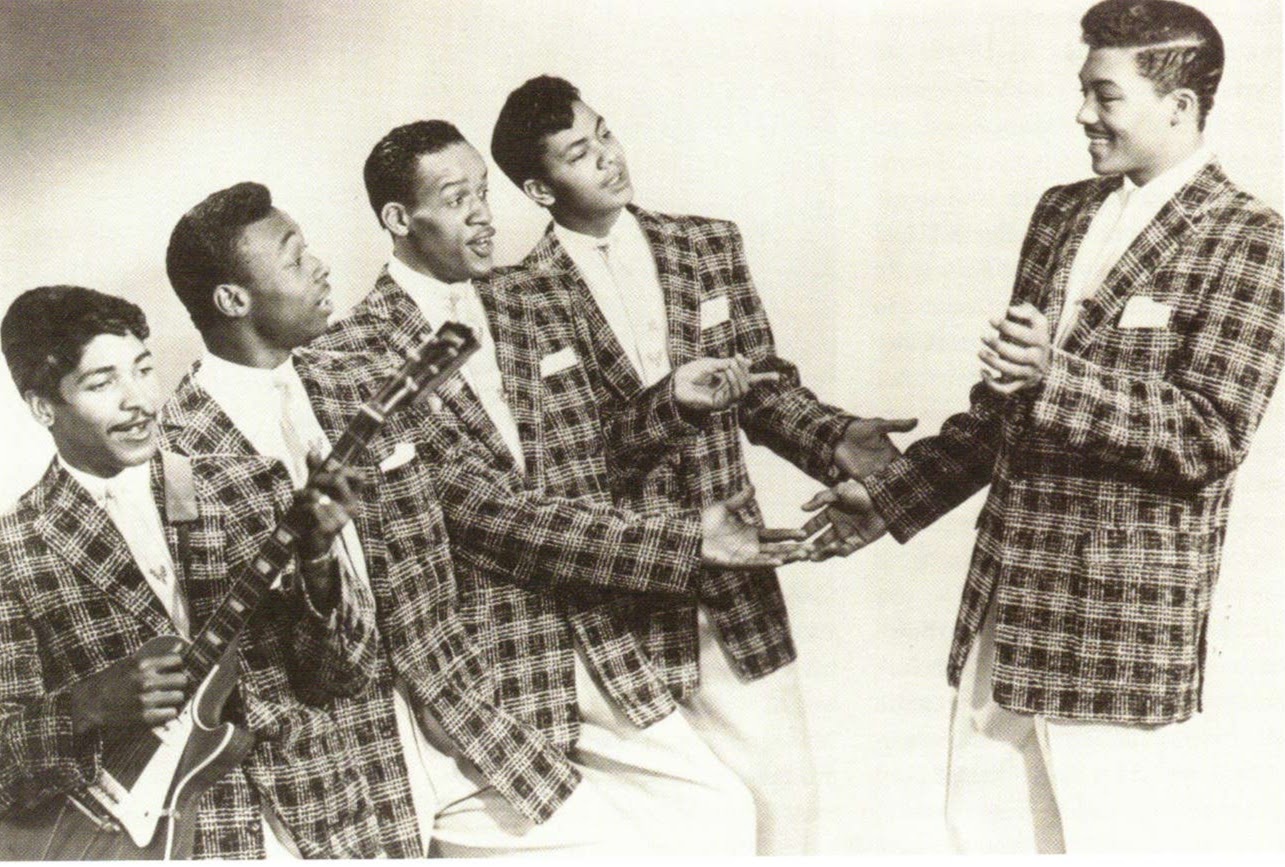
Strong was known for such hits as “The Wind” (1954) – later covered by many other groups, most notably The Jesters – and “Mind over Matter” (1962). Here’s the latter, an amazing mix of cha-cha style R&B and hard-edged guitar (check out the riff at around 1:80 that sounds suspiciously like the opening of the Rolling Stones’ “Start Me Up”, as well as a song on Hackney Diamonds):
R&B zealots will also be familiar with Andre Williams, of “Jailbait” fame (or infamy), who had a long career with Fortune. Other lesser known artists included The Royal Jokers, The Five Dollars, The Larados and The Montclairs (whose single “Golden Angel” on Hi-Q, a Fortune subsidiary, was discussed in a prior post).
Both of these songs have a primitive, undubbed sound that characterized the Fortune oeuvre, which was mostly recorded on a single-track Ampex tape machine, with just a few microphones.
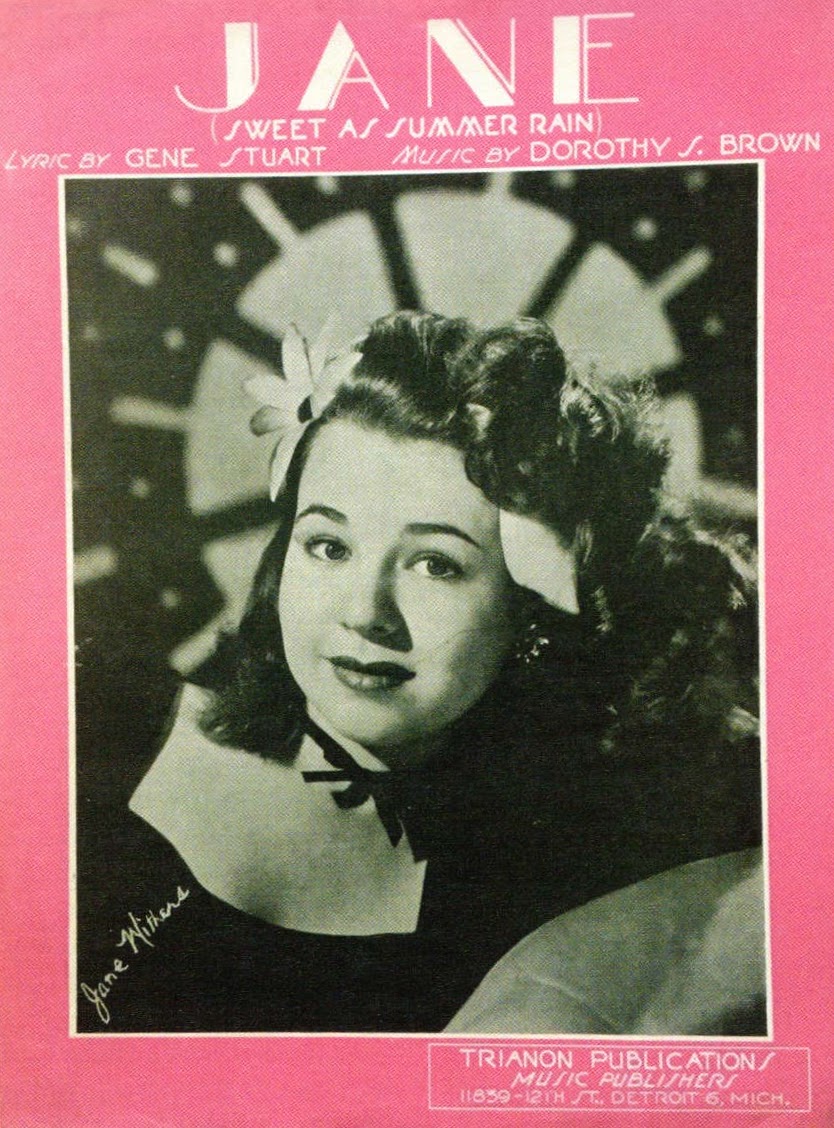
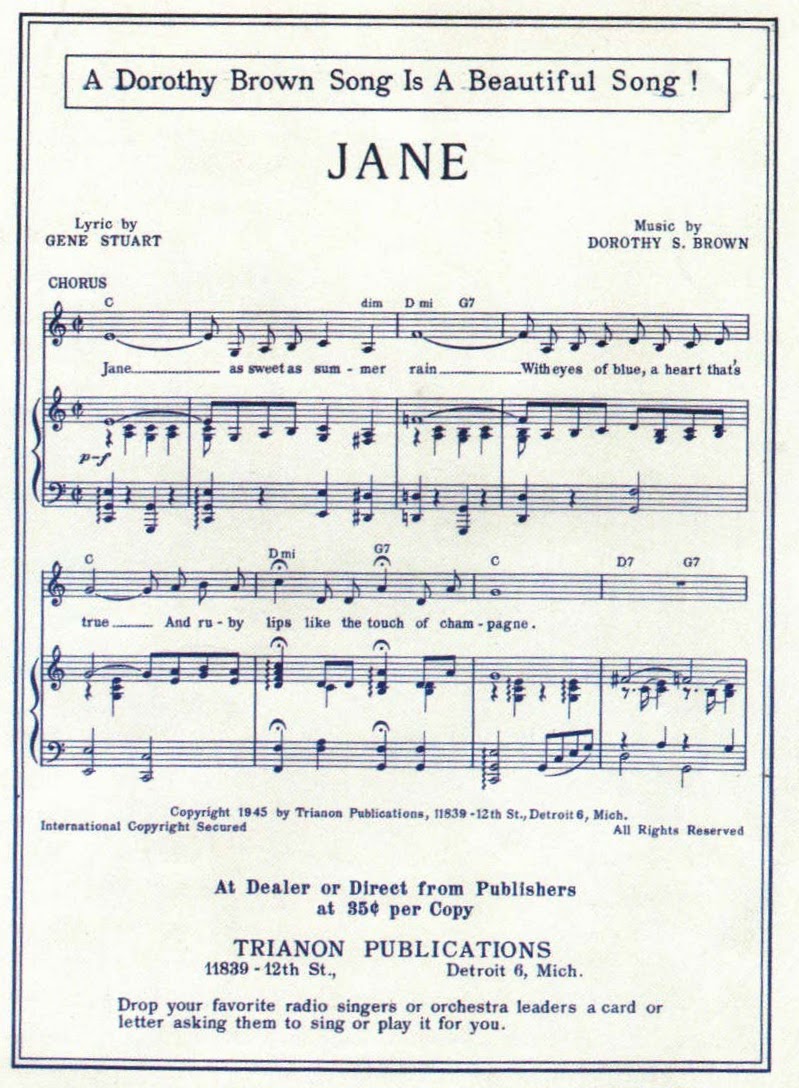
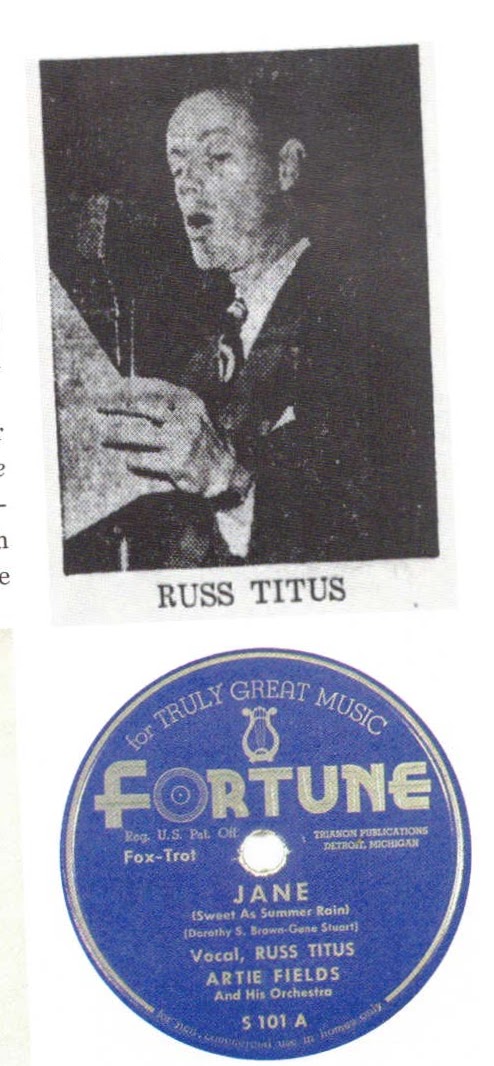
Both “Mind over Matter” and “Village of Love” were composed by Devora Brown, an aspiring writer of poetry, prose and songs who co-founded Fortune in Detroit in the early 1940s with her husband, Jack Brown, an accountant. Before Fortune Records, they established Trianon Publications to try to place her songs with Tin Pan Alley publishers, without any success. So they started Fortune Records and made their first record in 1946 at the Vogue recording facilities on Eight Mile Road in Detroit: Jane (Sweet as Summer Rain)/Texas Tess Down Texas Way, with vocals by Russ Titus backed by Artie Fields and His Orchestra.
What followed over the next thirty years was a slew of records and styles, with a heavy dose of country, rockabilly, R&B, blues, jazz, gospel, polka, Gypsy czardas – you name it, they recorded it, and with little fuss about the process. This was not a Motown assembly line of gleaming, polished parts. This was whoever showed up at their legendarily dirt-floored studio, and played, if not live, then with minimal mixing and dubbing. Whereas Motown provided slickly packaged perfection, with not a note out of place, Fortune delivered a more raw product that reflected the diverse ethnography of the many musical artists pounding the pavement in Detroit, looking for someone to hear what they had to say. The dross from Fortune was real dross, but the gems were heard in their own voices and styles.
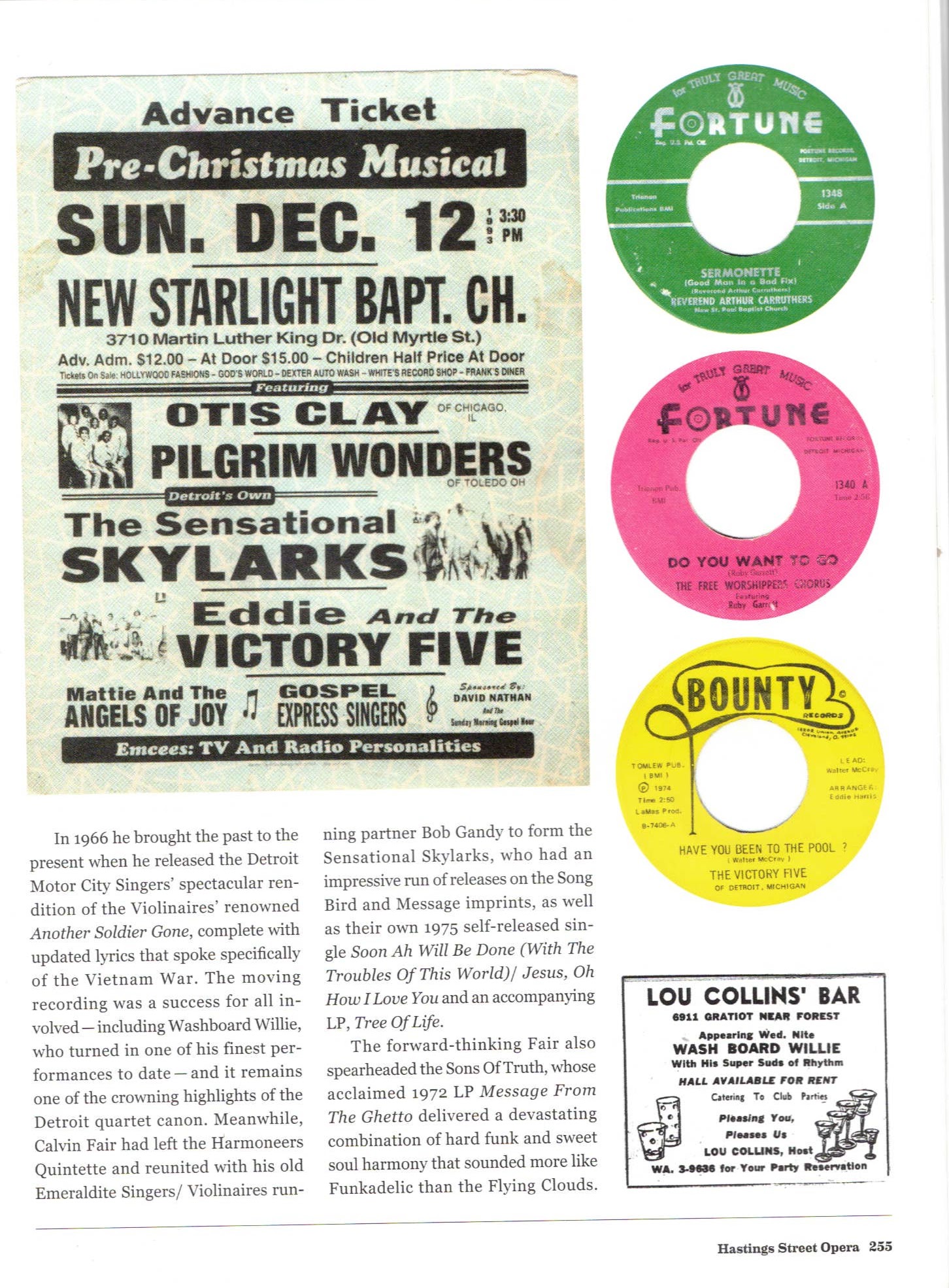
The book reflects Fortune’s crazy patchwork of genres and styles in its construction, with over 1500 photos and illustrations, 96 interviewees and an eleven-page discography with over 500 entries. A typical page looks like this:
About half of the discography is country/hillbilly music. Who knew this was such a hot scene in Detroit in the 1950s and 1960s? But it was, with a steady stream of pickers and singers making their way up US Route 23 – the Hillbilly Highway – to work in the auto plants and play in the clubs. Among these were the Davis Sisters, not sisters at all, but one of whom was Skeeter Davis, the former Skeeter Penick, pictured below on the left, next to Georgia Davis.
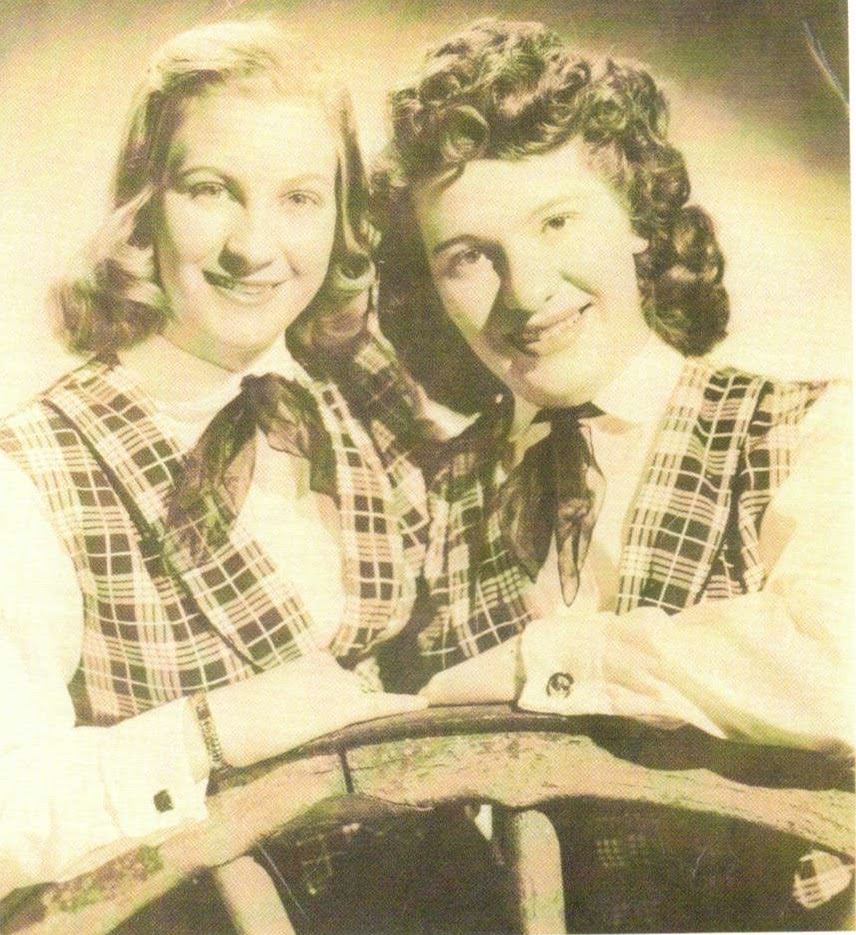
Georgia was not the original partner of Skeeter in the Davis Sisters. That was her younger sister, Betty Jack, who died in an automobile accident in 1953, after which Georgia took her place. (Note: h/t to Craig Maki for pointing out the error in the original post that misidentified Georgia as Betty Jack in the picture above).
The Davis Sisters made a few sides for Fortune before going on to bigger things. Here’s a Devora Brown tune they recorded in 1952: Jealous Love:
You can (and should) dig into the vast Fortune catalog via YouTube (here’s a playlist put together by Roy Hayes), but I’ll share one that I’ve been playing the heck out of for a while, “That Old Heartbreak Express”, by Buster Turner and His Pinnacle Mountain Boys” (1956):
You weren’t anybody in Detroit country music if you didn’t have a band with a cowboy-sounding adjective/noun sobriquet, like Earl Songer and his Rocky Road Ramblers, Randy Hankins and his Melody Wranglers, Sonny Sexton and his Musical Westernairs, and of course, Mr. Turner and his PM boys.
A Fortune specialty was bawdy country and R&B songs, including the York Brothers legendary “Hamtramck Mama”. Here are said brothers:
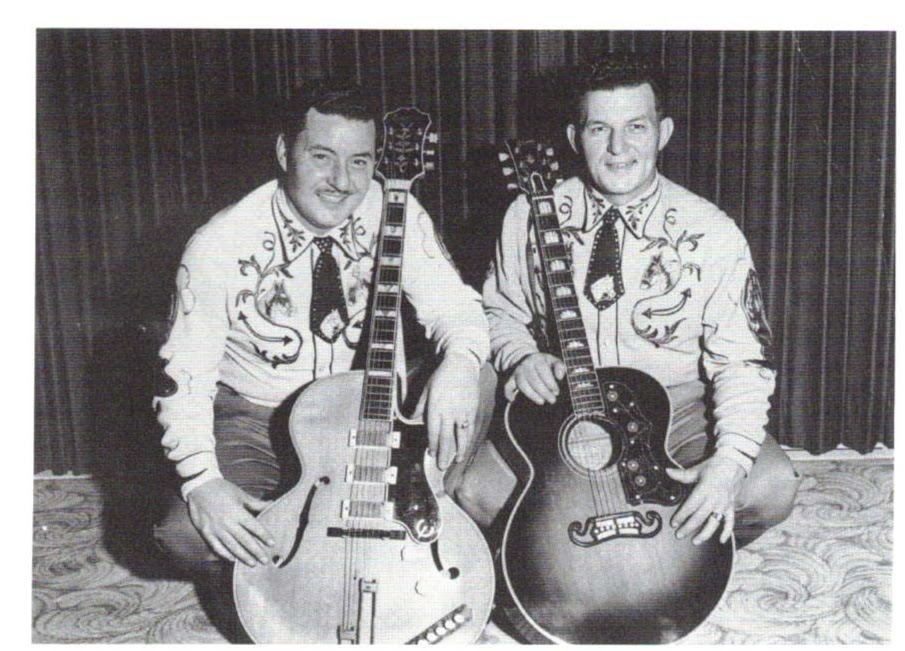
“Hamtramck Mama” was a risqué hillbilly tune, originally recorded by the York Brothers in 1939 as the first release by Universal Recording Studios in Detroit. Universal created the recording for the Marquette Music Company, which had recently completed the transition from supplying coin-operated player pianos to saloons, hotels and restaurants, to the new generation of jukeboxes. Originally, the record was only sold to jukebox operators and was a huge hit. (At this time, the majority of record sales were to jukebox operators).
Within a year, the Hamtramck mayor and council members tried to ban the record, which of course led to increased sales. (Hamtramck is a suburb of Detroit – now completely enclosed by the city). The recording was re-released on the Mellow and Hot Wax labels in the early 1940s; and the same recording was released by Fortune in 1949.
(Note: Craig Maki gives a detailed history of the early days of record production in Detroit, including the genesis of Universal Recording Studios, in his book tomorrow brings memories, which I will review in a subsequent post.)
Here’s the record that caused all the ruckus: lock up the women and children!
Throughout the 1950s, Fortune continued to mine the risqué vein with additional releases and in 1961 compiled the best (?) of the bunch onto their first long-player, The Original Skeets McDonald’s Tattooed Lady Plus Eleven Other Sizzlers. The song list included “Hamtramck Mama” and such epics of off-color wit as “Let Me Play With Your Poodle”, “She Won’t Turn Over For Me” and “Griddle Greasing Daddy”.
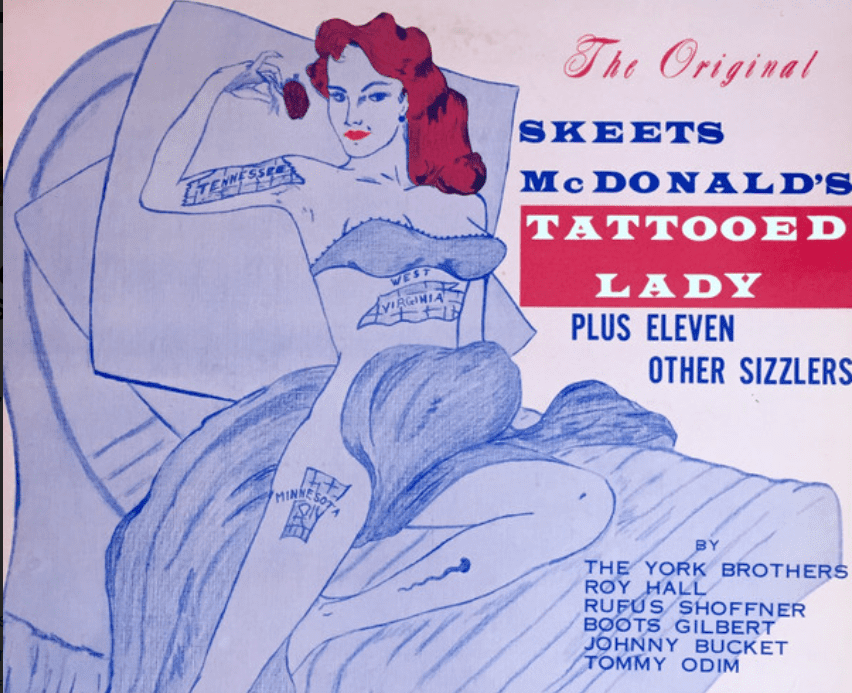
This type of raunch became a staple of Fortune records across hillbilly, R&B and Blues genres, resulting in some unusual distribution partners and the occasional run-in with the decency-protecting authorities:
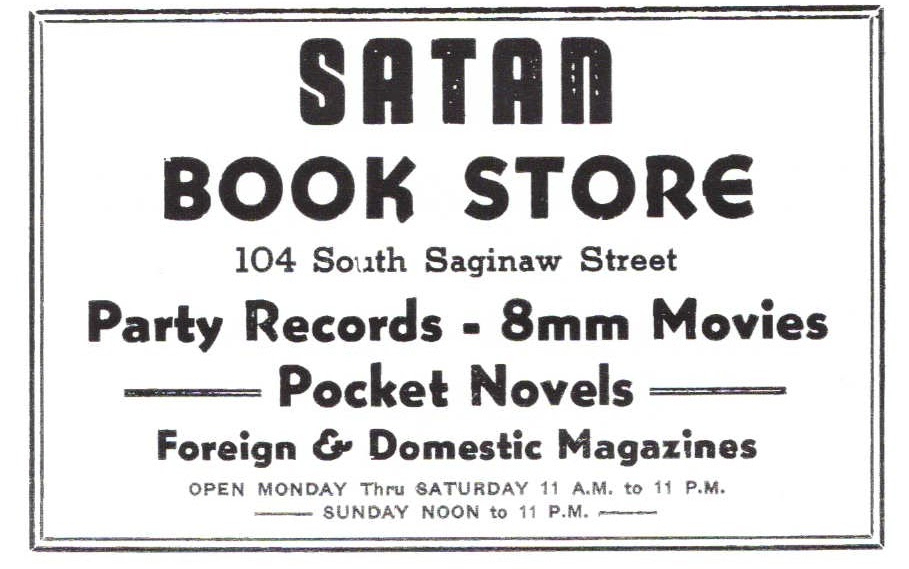
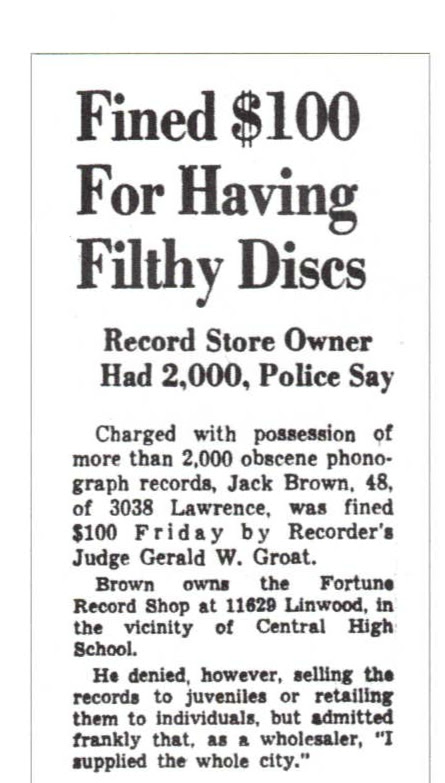
There’s much, much more to the crazy quilt of the Fortune story. Making appearances are Vassar Clements, Kenny Burrell, Doctor Ross the Harmonica Boss, a bunch of gospel artists and ensembles, Mitch Ryder and a very odd group, The Utopias, pictured below.
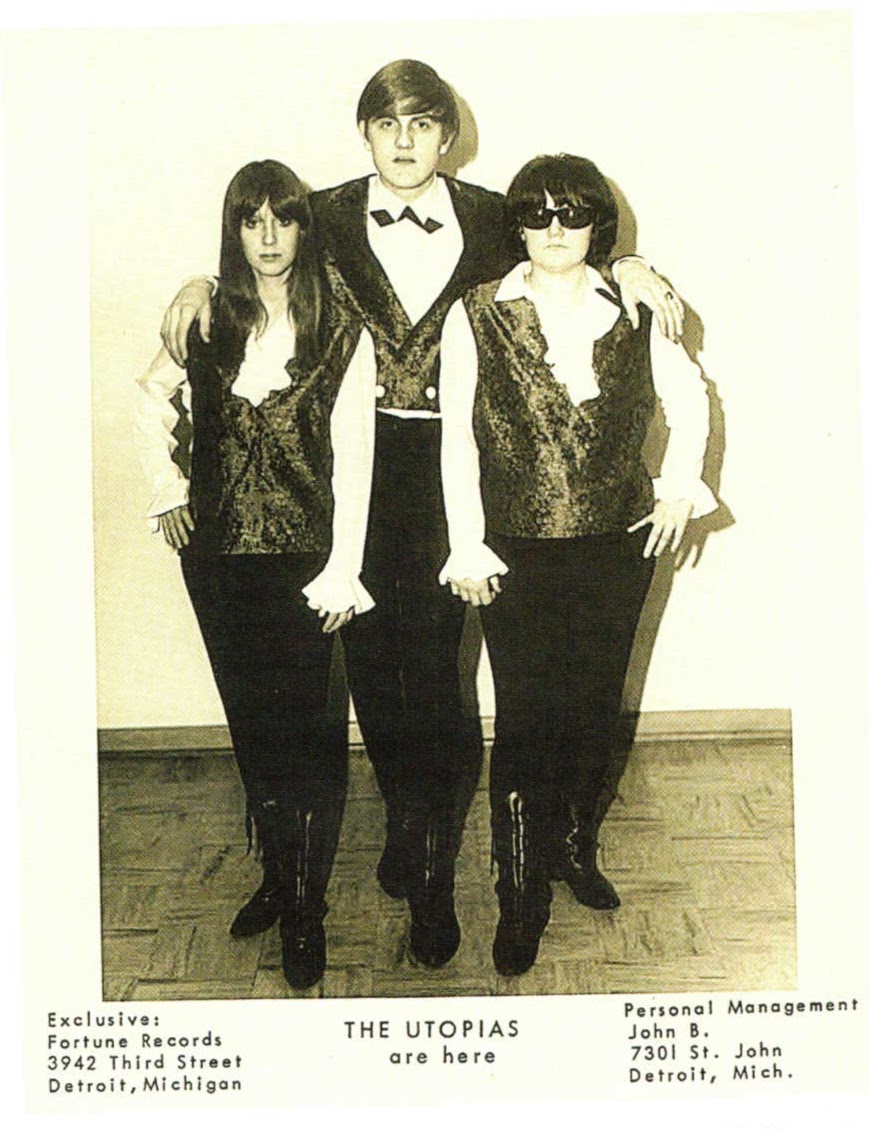
Were they Pre-Goth? Too weird to make it? Or not weird enough? You be the judge – here is their attempt at a Shangri-Las-style saga of teen pregnancy, “Sally Bad” (1966):
You might be surprised to learn that the lead singer of this band was male. David Lasley founded The Utopias with his sister Julie and recorded “Sally Bad” when he was eighteen and she was fifteen. Singing backup with The Utopias on the B-side of “Sally Bad” (“Welcome (Baby to My Heart)”) were the Jones sisters – Brenda, Shirley and Valorie – ages 6 to 10. The sisters were daughters of Mary Frazier, who had recorded a gospel EP for Fortune. As Lasley recalls. ” . . . I’d . . . knock on Mary Frazier’s door to get the Jones Girls . . . and walk them like three and a half miles . . . to the studio and sit and sing with them . . . The Browns would give us a dollar . . . and ice cream. We were just a bunch of hippy kids, R&B hippies. Some of our stuff was kinda out . . . like the Shangri-Las but . . . more like poetry meetings with music”.
The Jones sisters became the Jones Girls, who hit the top 10 on the R&B charts in 1979 with “You Gonna Make Me Love Somebody Else”. The Girls also sang backup with Lou Rawls, Teddy Pendergrass, Aretha Franklin, Diana Ross and Tower of Power.
David Lasley eventually joined the cast of Hair in 1970, went to New York and began a long career as a back-up singer for such artists as Luther Vandross, Chic, Sisters Sledge, Dusty Springfield and The Ramones. According to Miller/Hurtt, “. . . at one time his voice could be heard on thirteen of Billboard’s top twenty-five songs”. He wrote several songs for Bonnie Raitt and worked with James Taylor for many years.
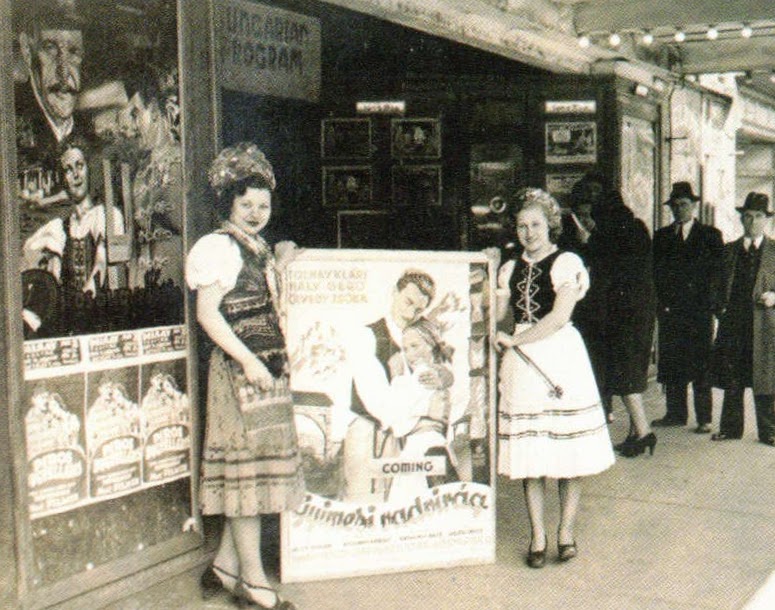
Did I mention that Fortune released a trio of Hungarian/Gypsy recordings? There was a substantial Hungarian immigrant community in the Delray section of Detroit with a lively entertainment scene as the ladies above would suggest.
The Browns hooked into that scene to record LPs by Arthur Rakoczi (aka Artie Nelson) and Julio Bella in 1964 .
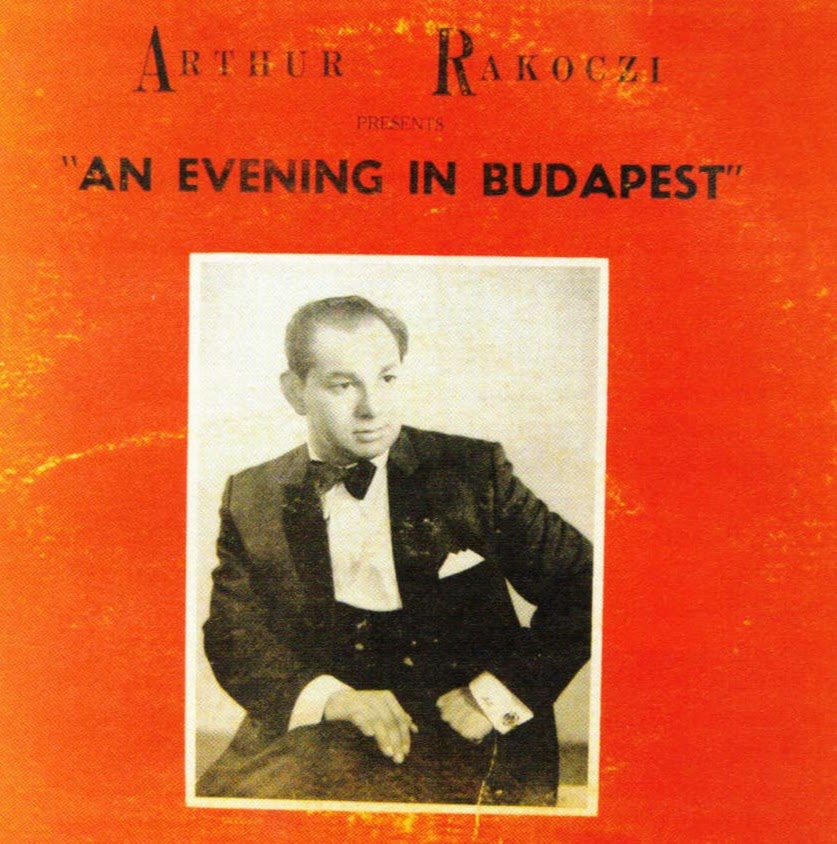
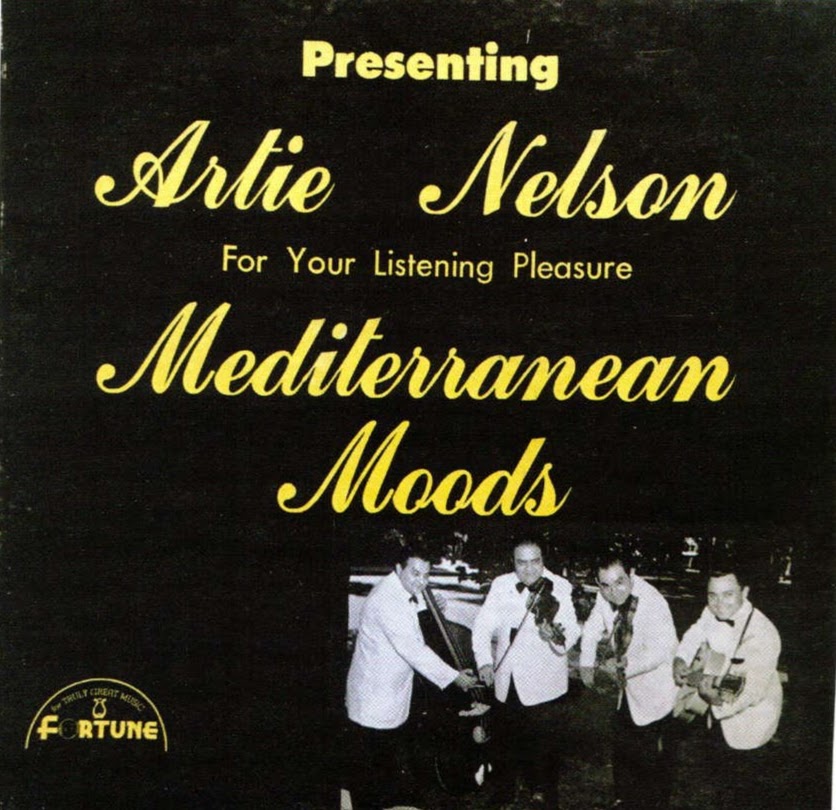
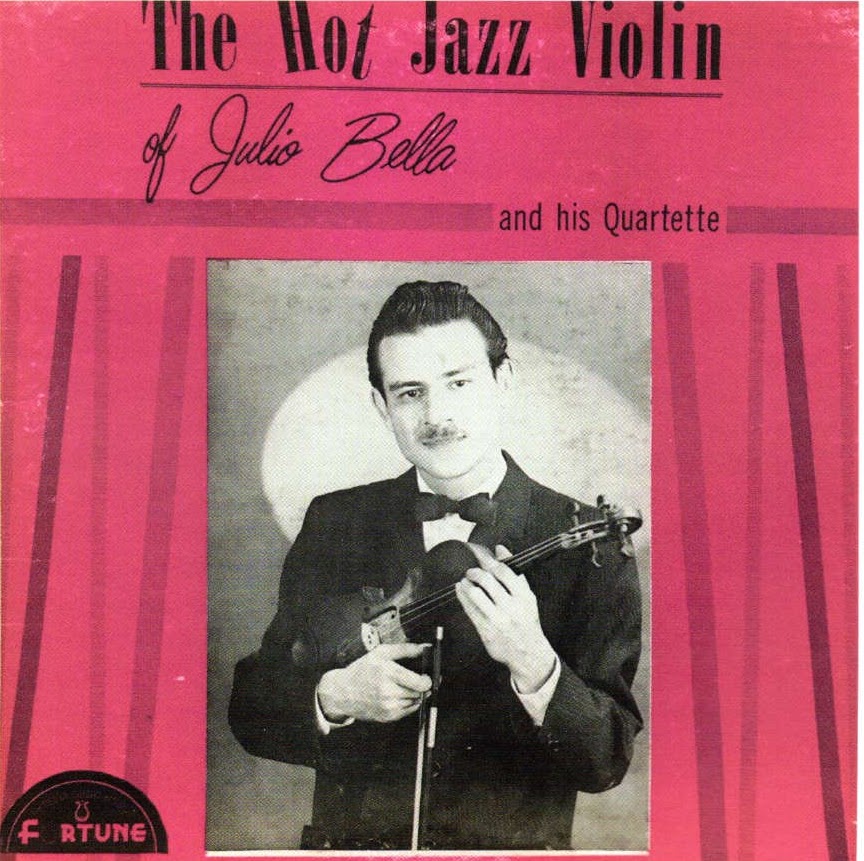
Did Berry Gordy and Motown release any Gypsy violin records? I thought not.
The book is full of such unexpected digressions into the history of Detroit and the many communities that made music there. It is truly a labor of love. Billy Miller, who did not live to see the book published, was a founder of Norton Records with his wife Miriam, a label that has done amazing work in reissues of Rock’n’Roll, rockabilly, R&B and other genres. Michael Hurtt is a writer, musician and historian who lives in Detroit. Fans of Detroit music history owe these two a lot for the dedication it must have taken to put this volume together.
My next post will be about a logical companion volume to Mind over Matter, a slim pocket-sized book about Detroit’s first underground record company: tomorrow brings memories by Craig Maki.
Acknowledgments:
All pictures and illustrations are from Mind Over Matter.
Details on the release of “Hamtramck Mama” and related events have been based on part in material in tomorrow brings memories by Craig Maki.
 Joel E. Turner - Fiction and Other Things